


New comments from the online personality Omar Alamoudi have sparked widespread talk that Tencent might have taken control of parts of Ubisoft’s business through a complicated ownership setup. Even though no official purchase has been announced, his statements quickly spread across social media and online forums, partly because of Ubisoft’s strange corporate actions in the last few days. The situation has gotten so much attention that some watching the industry now believe major shifts in Ubisoft’s ownership or internal organization could be happening.
The conversation started when Alamoudi commented on the larger trend of consolidation in the games industry, writing, “Imagine, imagine, imagine, within a single generation, all the worlds largest third party companies have been acquired.” His post included the logos for EA, Activision Blizzard, and Ubisoft. When someone asked directly if Ubisoft had been bought, he responded, “Pretty much.” In answer to more questions about the buyer, he stated, “Chinese Tencent, almost. They now own 50 percent of the shares in the new company that owns the rights to *Assassin’s Creed*, etc.,” later adding that Tencent “took it in a roundabout way.”
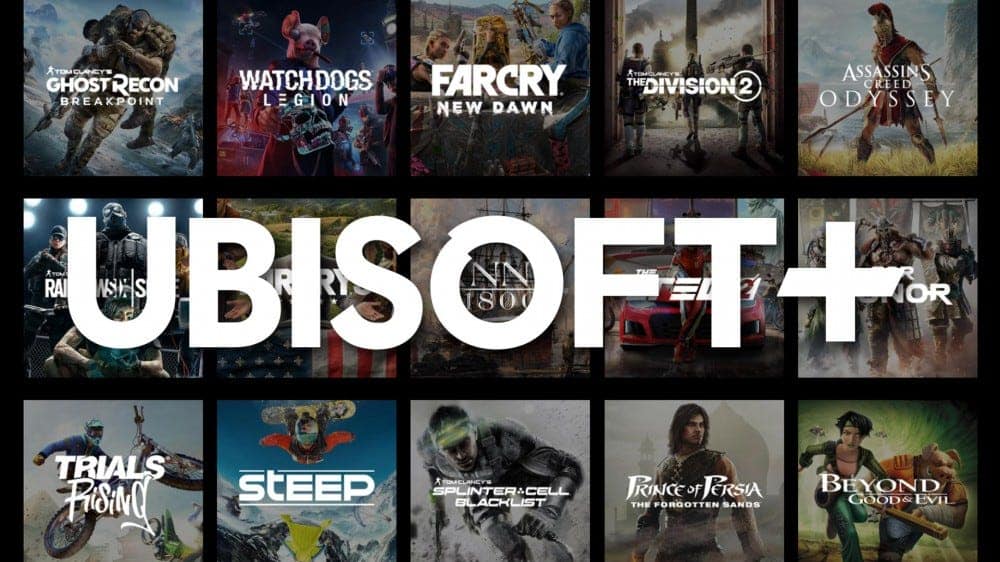
These remarks led to other users stepping in to clarify that Ubisoft itself had not been fully purchased. Instead, they explained that Ubisoft had set up a new company in partnership with Tencent, and this new entity now oversees key franchises like *Assassin’s Creed* and *Far Cry*. Alamoudi claimed that this new company holds the “high profile properties,” while the original Ubisoft keeps less successful back-catalog titles. He also said that Tencent owns ten percent of the original publisher. Although no one has confirmed these claims independently, the comments spread quickly, leading to the widespread assumption that Ubisoft was essentially acquired.
The rumors gained strength after Ubisoft suddenly decided to delay its first-half fiscal year 2025–2026 earnings announcement just minutes before it was due. The company then asked for a temporary halt to the trading of its shares on Euronext on November 14, a dramatic move made without any public reason. With Ubisoft’s share price already down almost fifty percent from a year ago, canceling the earnings report immediately brought up questions about internal shakeups or secret corporate deals. Against this backdrop, talk about Tencent’s deeper involvement became much more common.
Tencent continues to show strong financial health, reporting a fifteen percent increase in year-over-year revenue for its third quarter of 2025. International gaming revenue grew by forty-three percent, boosted by studios like Supercell and recently integrated development teams. The company credits its growth not just to its main games business but also to large investments in artificial intelligence and its integration across the WeChat platform. Given Tencent’s ongoing strategy of buying up companies across the entertainment world, industry observers see the firm as one of the few capable of taking on a publisher the size of Ubisoft, even indirectly.
Despite how much traction the rumors have gained, neither Ubisoft nor Tencent has released an official statement. It is still unclear whether the partnership involving Vantage Studios, the new Ubisoft subsidiary managing its biggest franchises, is meant to be a structural change, a strategic joint venture, or a move toward more significant ownership changes. Until the companies address the situation, reports of an acquisition remain guesswork, though the unusual timing of corporate decisions has made sure that scrutiny will continue.