


NPR briefly published its review of The Legend of Zelda: Ocarina of Time remake on November 3, two days ahead of the game’s November 5 release on Nintendo Switch 2. The article, written by James Perkins Mastromarino, was removed shortly after appearing online, but it offered an early look at the remake’s improvements and shortcomings.
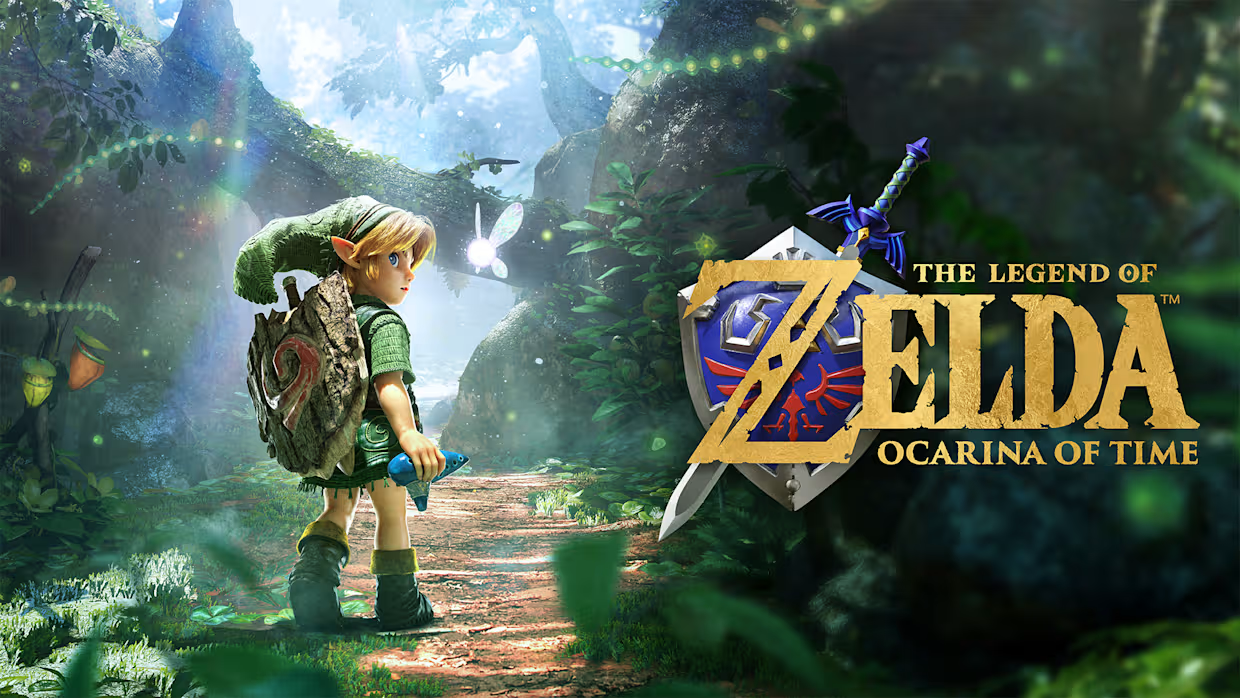
The Ocarina of Time remake review described Nintendo’s latest effort as a superb but conservative recreation of the 1998 classic. Mastromarino praised its updated visuals, smoother movement, and more responsive combat, although he felt the experience lacked some of the impact of the original.
According to the review, Nintendo has largely succeeded in recreating the game as players remember it rather than making substantial changes to its structure. Dedicated jump and sprint buttons make exploring Hyrule more comfortable, while the updated combat system feels more responsive without fundamentally changing the gameplay.
One of the biggest improvements is a quick item menu that allows players to switch between equipment such as the bow, Longshot, Bombchus, and spells during combat. Mastromarino appreciated the convenience but would have preferred a customizable item wheel.
The remake also introduces a Threads of Time quest log that provides hints when players get stuck. The Water Temple, one of the original game’s more frustrating dungeons, has also received adjustments to make navigation easier.
Some changes introduce new challenges. Wallets can now carry more rupees, but certain Great Fairy upgrades cost as much as 500 rupees.
The reviewer was less impressed with the updated camera, which now generally sits over Link’s shoulder. While functional, it loses some of the original game’s carefully designed framing, particularly during the stealth section at Hyrule Castle. Switching between targets also remains awkward.
Character designs received mixed reactions, with Nabooru’s updated appearance singled out as distracting. Longer cutscenes during the opening hours were another concern, as they occasionally interrupt the game’s pacing.
Nintendo has also changed how certain characters behave. Mido is portrayed as a protective leader rather than a bully, while Kaepora Gaebora no longer forces players to repeat lengthy conversations after selecting the wrong response. Navi’s familiar “Hey! Listen!” interruptions have been reduced as well.
Mastromarino compared the remake’s approach to Demon’s Souls rather than more ambitious reinterpretations such as Final Fantasy VII Remake or Resident Evil 4. He also highlighted a new feature that lets players perform Sheik’s melodies by humming into the Nintendo Switch 2 microphone.
Despite his reservations, the reviewer considered the remake a strong way to revisit the original adventure, particularly for newcomers. He also expressed interest in seeing Nintendo give Majora’s Mask similar treatment.
The Legend of Zelda: Ocarina of Time remake is developed by Nintendo EPD as part of the franchise’s 40th anniversary celebrations. Beyond the updated visuals and controls, it includes fully voiced cutscenes, an expanded Hyrule Castle Town, and real-time day-night cycles across every area.